Chris Kyle: The Life, Legacy, and Controversy of America's Most Famous Sniper
Chris Kyle: The Life, Legacy, and Controversy of America’s Most Famous Sniper
Keywords: Chris Kyle, American Sniper, Navy SEAL, Iraq War, Military Biography
Sub-keywords: service history, sniper tactics, battlefield experience, post-war life
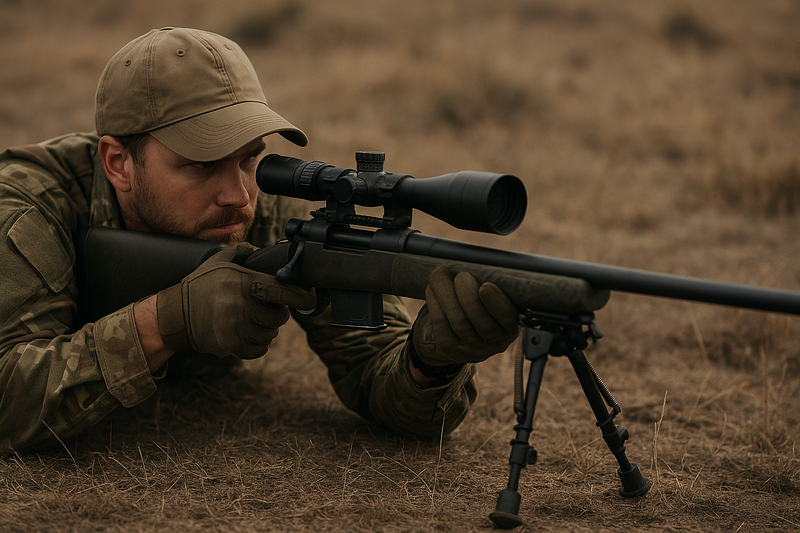
PART 1 — Early Life, Military Calling, and SEAL Transformation
(Approximately 1500 words)

1. Introduction to Chris Kyle’s Legacy
Keywords: legacy, reputation, military history
Sub-keywords: national identity, war narratives
Chris Kyle ,remains one of the most widely recognized figures in modern American military history.Chris Kyle , His reputation as the “deadliest sniper in U.S. military history” transformed him into a cultural symbol — praised by some as a heroic warrior and criticized by others for the way warfare was represented through his public persona.Chris Kyle , Regardless of opinion, his story offers insight into the complexities of modern conflict, the psychological toll of war, and the shifting relationship between society and its veterans.
The story of Chris Kyle , is not just a recounting of battlefield statistics. It is also about the evolution of a Texan cowboy into a Navy SEAL, his experiences during the Iraq War, his journey through post-deployment life, and ultimately his tragic death. To understand his impact, one must begin with the formative influences that shaped his values and ambitions long before he ever shouldered a rifle in combat.
2. Texas Roots and Childhood Influences Chris Kyle
Keywords: upbringing, Texas culture, family values
Sub-keywords: ranch life, discipline, faith, resilience
Born on April 8, 1974, in Odessa, Texas, Christopher Scott Chris Kyle grew up in an environment defined by hard work, rugged landscapes, and traditional values. His father, a straightforward man with strong beliefs about responsibility and courage, instilled in Chris a clear concept of moral duty. The Chris Kyle household placed immense emphasis on faith, honesty, and self-reliance — principles that would later permeate Chris’s approach to both life and combat.
Chris Kyle ,From a young age, Kyle developed a love for the outdoors. Hunting deer, tracking wildlife, and spending long hours in the quiet of Texas fields sharpened his patience and focus.Chris Kyle , These early experiences, though far removed from the chaos of battle, provided him with the foundational skills that would one day serve him as a sniper: precision, calmness, and situational awareness.
Unlike many children who dream of adventure but eventually turn toward urban careers, Kyle remained deeply connected to rural life.Chris Kyle , He became a rodeo rider, embracing the high-risk, high-adrenaline world of bucking broncos. The injuries he sustained during this period were severe enough to alter the trajectory of his life — but they also revealed his appetite for challenge and danger. This appetite would later define both his military service and his public identity.
3. Early Adulthood and the Search for Purpose Chris Kyle
Keywords: ambition, identity, career shifts
Sub-keywords: rodeo injuries, personal setbacks
Before enlisting, Chris Kyle , did not initially envision a future as a special operations soldier. Yet, after a series of rodeo-related injuries — including a significant arm injury — Chris Kyle ,found himself at a crossroads. The life he had built no longer aligned with his physical reality, and the uncertainty of his future weighed heavily.
Like many who join the armed forces, Kyle sought clarity, structure, and a renewed sense of purpose. The discipline he learned on ranches and rodeo circuits translated naturally into military aspirations. When a recruiter introduced him to the possibility of joining the U.S. Navy SEALs, Chris Kyle ,recognized a rare opportunity: a profession demanding toughness, loyalty, and unwavering dedication.
4. Enlistment and the Path to BUD/S Chris Kyle
Keywords: Navy SEAL, BUD/S training, military selection
Sub-keywords: endurance, mental strength, teamwork
The Basic Underwater Demolition/SEAL (BUD/S) program is known as one of the most grueling military selections in the world. Only a fraction of candidates make it through, and even fewer do so without significant psychological and physical strain. Chris Kyle , entered the training pipeline prepared for hardship but unaware of the extreme limits he would be pushed toward.
During the notoriously brutal Hell Week, Kyle confronted exhaustion, cold water exposure, and the unyielding pressure of Navy instructors. Yet, his background proved advantageous. The discipline learned from manual labor, the tolerance for pain honed through rodeo injuries, and the mental resilience shaped by Texas ranch life all contributed to his endurance.
He forged connections with fellow trainees — relationships built not on comfort, but shared suffering. For Chris Kyle , loyalty became a defining value. In SEAL culture, the emphasis on brotherhood would later shape his decisions on the battlefield and influence how he interpreted moral responsibility during combat missions.
5. Becoming a Sniper: Precision, Discipline, and Training Chris Kyle
Keywords: sniper training, marksmanship, advanced tactics
Sub-keywords: optics, ballistics, camouflage, observation
After completing SEAL qualification, Chris Kyle , pursued specialized sniper instruction. Navy SEAL sniper school demands more than accurate shooting; it requires mathematical skill, environmental reading, concealment expertise, and patience.
Key Skills Chris Kyle Developed
- Long-range precision (sub-keyword: bullet trajectory)
- Environmental assessment (sub-keyword: wind drift, humidity)
- Fieldcraft (sub-keyword: camouflage techniques)
- Observation discipline (sub-keyword: target identification)
Chris Kyle ,excelled partly because he approached the discipline analytically and partly because he possessed an innate calmness under pressure. His instructors noted his ability to maintain composure during stressful scenarios — an essential trait for any combat sniper.
The role of a sniper in modern warfare extends far beyond eliminating enemy combatants. Snipers provide intelligence, overwatch, and strategic positioning for ground teams. Chris Kyle ,embraced this multifaceted responsibility, viewing his rifle not merely as a weapon but as a tool for protecting fellow SEALs.
6. Marriage and Family Life Before Deployment Chris Kyle
Keywords: relationships, sacrifice, emotional conflict
Sub-keywords: communication, separation, family expectations
Before his first deployment, Chris Kyle ,married Taya Studebaker, a woman who would become an essential emotional anchor throughout his military career. Their relationship, however, was shaped from the beginning by the knowledge that Kyle’s service would place immense strain on their family life.
Taya later described their early years as a cycle of brief reunions interrupted by long stretches of anxiety and loneliness. Despite this, the foundation of their marriage rested on mutual respect and shared determination — a commitment that endured even as the psychological consequences of war began to accumulate.
7. Pre-Deployment Mindset and Military Culture Chris Kyle
Keywords: mindset, ethos, readiness
Sub-keywords: discipline, mission focus
By the time Chris Kyle , prepared for his first overseas deployment, he had internalized the SEAL ethos:
- never quit,
- protect your brothers,
- place the mission above personal comfort.
This internal framework shaped Kyle’s worldview and defined his initial approach to warfare.Chris Kyle , He saw his role as a protector — responsible for the safety of his team and for accomplishing objectives that aligned with America’s broader military strategy.
However, like many soldiers, he could not fully anticipate how the realities of modern urban combat in Iraq would challenge his expectations and influence his personal transformation in the years ahead.
PART 2 — Chris Kyle in the Iraq War: Combat Missions, Reputation, and Psychological Toll
Keywords: Iraq War, urban warfare, sniper missions, Fallujah, Ramadi, insurgency
Sub-keywords: rooftop overwatch, rules of engagement, civilian danger, battlefield ethics
1. First Deployment: Entering the Chaos of Iraq Chris Kyle
Keywords: first deployment, cultural shock, combat introduction
Sub-keywords: unfamiliar terrain, hostile encounters
When Chris Kyle , arrived in Iraq for his first deployment with SEAL Team 3, he entered a conflict unlike any the U.S. military had experienced. The battlegrounds were not open deserts or jungles but dense urban centers where insurgents hid among civilians, blending into crowds, markets, and residential neighborhoods. For Kyle, this was a profound shock. Despite his advanced sniper training, he quickly learned that real combat required improvisation, intuition, and emotional detachment.
Chris Kyle ,His earliest missions involved rooftop overwatch, where snipers positioned themselves on buildings to protect Marines and SEALs moving through dangerous streets. It was during one of these missions that Kyle made the first controversial — and for him, deeply defining — kill of his career: a woman who approached U.S. troops holding a grenade. Kyle described the decision as agonizing but necessary, guided by his duty to protect fellow soldiers. Moments like these set the tone for the internal conflict that would shape the rest of his service.
2. Growing Reputation as a Skilled Sniper Chris Kyle
Keywords: sniper reputation, confirmed kills, battlefield effectiveness
Sub-keywords: precision shooting, tactical patience, enemy countermeasures
As months passed, Chris Kyle ,name began circulating among both U.S. forces and insurgent groups. His ability to identify threats at extreme distances, maintain calm under fire, and adapt to rapidly evolving combat situations earned him respect within the SEAL community. His confirmed kill count steadily increased, though Chris Kyle ,repeatedly emphasized that numbers were not a source of pride but a measure of how many American lives he believed he protected.
Insurgents, recognizing the challenge posed by a highly effective sniper, responded with counter-strategies — using spotters, disguises, and decoys in an attempt to mislead or ambush him. According to accounts from Marines and soldiers whom Chris Kyle ,supported, his presence on the battlefield often meant the difference between life and death. His overwatch positions — sometimes lasting over 24 hours without rest — became a security blanket for ground teams.
3. Combat in Fallujah: One of the War’s Fiercest Battles Chris Kyle
Keywords: Fallujah, house-to-house fighting, intense resistance
Sub-keywords: insurgent strongholds, street combat, clearing operations
Fallujah was one of the deadliest cities during the Iraq War, a hub of insurgent activity filled with booby traps, fortified buildings, and coordinated ambushes. Chris Kyle , unit was tasked with providing overwatch during clearing operations, where Marines moved block by block through hostile neighborhoods.
Kyle positioned himself on damaged rooftops or inside bullet-ridden structures to spot hidden threats. His role required constant vigilance and — most critically — split-second decisions. Insurgents used civilians as shields, set up sniper nests of their own, and manipulated the terrain to confuse American soldiers. The ethical dilemmas Kyle faced multiplied: distinguishing combatant from civilian often happened in seconds.
Despite the chaos, Chris Kyle , maintained his resolve. He credited his effectiveness to three factors:
- unshakable focus (sub-keyword: mission clarity)
- loyalty to ground troops (sub-keyword: protective instinct)
- faith-based grounding (sub-keyword: moral fortitude)
Fallujah became a defining chapter in his military narrative, solidifying his status as a premier marksman.
4. The Notorious “Devil of Ramadi” Nickname ,Chris Kyle
Keywords: Ramadi, insurgent nickname, psychological warfare
Sub-keywords: reward for capture, intimidation effect
Chris Kyle ,During one of his later deployments, particularly in Ramadi, insurgents began referring to him as the “Devil of Ramadi.” According to field intelligence, they even placed a bounty on his head. This nickname, while sensationalized in media portrayals, conveyed the impact Kyle had on the battlefield. Insurgents were terrified of snipers who could eliminate threats before they even spotted his position.
Chris Kyle ,viewed the nickname not as a symbol of fame but as validation that his missions were disrupting enemy operations effectively. His ability to operate undetected, his keen observational skills, and his unwavering patience made him a constant psychological pressure point for opposing forces.
5. The Toll on Mind and Body ,Chris Kyle
Keywords: psychological toll, trauma, emotional burden
Sub-keywords: sleep deprivation, hypervigilance, survivor’s guilt
While Kyle projected strength in public, the realities of war weighed heavily on him. Between deployments, he struggled with:
- restlessness (sub-keyword: inability to relax)
- hypervigilance (sub-keyword: combat conditioning)
- emotional withdrawal (sub-keyword: communication strain)
His marriage to Taya suffered during these periods, as she tried to understand a man who was physically present at home but mentally still scanning rooftops for threats.Chris Kyle , Despite his confidence in his mission, war left invisible wounds — persistent tension, occasional emotional numbness, and the challenge of reconciling his battlefield actions with civilian life.
6. Fourth Deployment and the Evolution of His Leadership ,Chris Kyle
Keywords: final deployment, field leadership, tactical experience
Sub-keywords: team cohesion, mentorship
By the time Kyle entered his fourth deployment, he was no longer simply a sniper — he had become a mentor and leader to younger SEALs. His battlefield wisdom allowed him to teach others how to read terrain, analyze enemy behavior, and maintain discipline under fire.
His responsibilities expanded beyond pulling the trigger. He trained teammates in:
- camouflage strategy (sub-keyword: visual blending)
- environmental reading (sub-keyword: distance estimation)
- decision hierarchy (sub-keyword: chain-of-command clarity)
Despite the rising physical and psychological strain, Kyle remained dedicated to the mission.Chris Kyle , However, his sense of loyalty to fellow soldiers clashed with the growing desire to support his struggling family back home.
7. Leaving the Military: A Hero, But Forever Marked ,Chris Kyle
Keywords: transition to civilian life, identity loss, reintegration challenges
Sub-keywords: emotional disorientation, family rebuilding
Chris Kyle , eventually made the difficult decision to leave the Navy, realizing that repeated deployments were eroding his marriage and limiting his ability to father his children. Yet, separating from the SEALs meant losing the identity and brotherhood that had defined him for almost a decade.
Chris Kyle ,Returning home, he found civilian life frustratingly slow and unstructured. He missed the clarity of military purpose and struggled with sensations of isolation. Like many veterans, Kyle faced challenges understanding who he was without the uniform.
PART 3 — Post-War Life, “American Sniper,” Controversies, and Legacy ,Chris Kyle
Keywords: post-war adjustment, American Sniper book, public image, veteran support, legacy
Sub-keywords: PTSD support, media influence, legal disputes, national debate
1. Writing “American Sniper”: A Story Meant to Heal and Explain
Keywords: memoir writing, storytelling, public impact
Sub-keywords: personal reflection, narrative clarity
Chris Kyle , began writing “American Sniper” as a therapeutic exercise. The memoir allowed him to process his emotions and give civilians an honest, unfiltered look at the realities of modern warfare. The book combined:
- battlefield accounts
- personal reflection
- insights into the psychology of combat
- the challenges of balancing home life with war
The book quickly gained national attention — praised for its authenticity and criticized for its portrayal of the Iraq War and Chris Kyle , unapologetic tone. However, it succeeded in sparking conversation about the sacrifices military families make.
2. Hollywood Adaptation: Clint Eastwood’s “American Sniper”Chris Kyle
Keywords: film adaptation, cultural reception, media portrayal
Sub-keywords: box office success, character interpretation
The 2014 film adaptation, directed by Clint Eastwood and starring Bradley Cooper, elevated Kyle’s story into global awareness. The film achieved massive box office success and ignited debate over:
- the ethics of modern warfare
- the portrayal of Middle Eastern conflicts
- the hero narrative in American culture
Cooper’s performance humanized Chris Kyle , while maintaining the gritty realism of combat. Although not perfectly accurate, the film succeeded in highlighting both his battlefield skill and his post-war struggles.
3. Support for Veterans: Chris Kyle ,New Mission
Keywords: veteran advocacy, rehabilitation, community service
Sub-keywords: counseling activities, firearm therapy
After leaving the Navy, Chris Kyle , dedicated himself to helping fellow veterans transition to civilian life. He believed strongly in peer-to-peer mentorship and developed programs using marksmanship as a therapeutic activity. His goal was not only to improve veterans’ shooting skills but to rebuild their confidence, discipline, and trust.
Kyle engaged in:
- outdoor retreats (sub-keyword: nature-based healing)
- mental health support (sub-keyword: emotional reintegration)
- family-focused counseling (sub-keyword: relationship repair)
His compassionate work with struggling soldiers became a central part of his legacy.
4. Controversies and Public Criticism Chris Kyle
Keywords: public controversy, debated claims, media scrutiny
Sub-keywords: lawsuit disputes, factual challenges
Despite his widely respected service, Chris Kyle ,public persona drew controversy. Some critics questioned aspects of his memoir, including specific claims about incidents off the battlefield. A few stories became the subject of legal disputes, intensifying public debate over the accuracy of his accounts.
Chris Kyle , supporters argued that critics misunderstood the psychological context of war stories, while opponents insisted that figures of national importance must adhere to strict factual standards. These debates did not erase his achievements but added complexity to his legacy.
5. Tragic Death: A Life Cut Short Chris Kyle
Keywords: tragic death, veteran mental health crisis, national mourning
Sub-keywords: shooting incident, PTSD complications
On February 2, 2013, Chris Kyle and his friend Chad Littlefield were shot and killed at a Texas gun range by a troubled veteran suffering from severe psychological issues. Chris Kyle , had been trying to help him reintegrate and cope with trauma — continuing his commitment to supporting veterans.
His death shocked the nation. News outlets, military communities, and ordinary citizens mourned the man who had spent his life protecting others — only to be killed by someone he was trying to save.
6. National Legacy and Long-Term Influence ,Chris Kyle
Keywords: legacy, national memory, military culture
Sub-keywords: hero narrative, veteran policy influence
Kyle’s story continues to influence:
- discussions on U.S. military involvement overseas
- veteran mental health advocacy
- public understanding of sniper roles
- the cultural meaning of heroism
To some, he represents the ultimate warrior — courageous, loyal, and resilient. To others, he symbolizes the moral ambiguities of war and the costs borne by soldiers who navigate them. Regardless of one’s stance, Chris Kyle , remains one of the most impactful military figures of the 21st century.
7. Conclusion: The Duality of a Modern Warrior Chris Kyle
Keywords: complex legacy, human dimension of war, national reflection
Sub-keywords: sacrifice, contradiction, remembrance
Chris Kyle life is a testament to the duality of modern warfare: valor intertwined with trauma, heroism shadowed by controversy, and public admiration coupled with ethical debate. His journey from a Texas ranch to the battlefields of Iraq and ultimately to a mission of healing at home reflects the profound challenges and sacrifices faced by today’s warriors.
Chris Kyle His legacy endures not because he was flawless, but because he embodied the deeply human struggle of serving in a complex and demanding era.


Comments
Post a Comment